Solution

Solution

Process Cooling

The Land centrifugal refrigeration unit is mainly composed of a centrifugal compressor, evaporator, condenser, economizer, throttling device, and control system. It is an equipment used for industrial refrigeration and can be widely applied in industries such as chemical, pharmaceutical, food, plastic, electronics, etc. It provides low-temperature cold water to meet the needs of different refrigeration processes.


Process Cooling Overview List

Service Target

Service Target

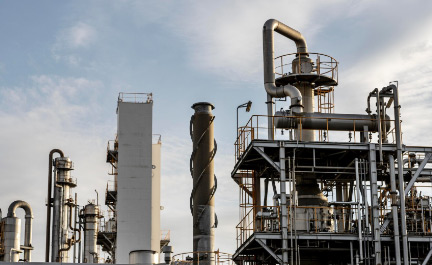
Process refrigeration processes such as reaction temperature control, material cooling, condensation recovery, and equipment cooling precisely meet the diverse refrigeration needs in industrial production.

Energy Flow

Energy Flow

Primarily driven by electricity for refrigeration, it outputs stable cooling capacity to the process side.

Core Evaluation

Core Evaluation

Wide operating range adaptability, low-load stability, continuous operation reliability, and integration compatibility with process control systems.

What problem is it solving

What problem is it solving

Addressing the pain points of significant process load fluctuations and variable environmental conditions in industrial production, this solution addresses the issue of conventional comfort-type refrigeration equipment struggling to maintain long-term stable operation. Simultaneously, it meets the higher standard requirements for temperature control accuracy, interlock protection, data traceability, and non-stop production guarantee in process links.

Solution Content

Solution Content

The Land centrifugal refrigeration unit is primarily composed of a centrifugal compressor, evaporator, condenser, economizer, throttling device, and control system. It is a refrigeration equipment used in the industrial field and can be widely applied in various industries such as chemical, pharmaceutical, food, plastics, and electronics. It provides low-temperature cold water to meet the needs of different refrigeration processes.

Effect

Effect

It can maintain a stable cooling state under dynamic fluctuations in process load and environmental conditions, effectively improving process temperature control accuracy and production continuity. At the same time, it achieves visual and traceable management of equipment operation and maintenance, significantly reducing the risk of unplanned downtime, and ensuring efficient and orderly industrial production.